Computed Tomography (CT Scan)
2026/03/12
A CT scan first uses X-rays to produce detailed images of the body and after which, a computer is used to create cross-sectional images (known as slices) of the bones, tissues, and blood vessels. Images from a CT scan can show more details than that of a regular X-ray.
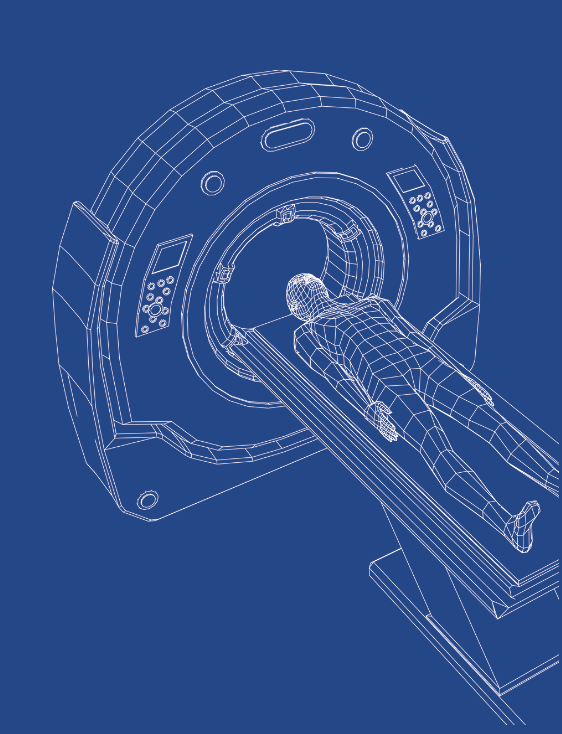
CT scans provide more detailed images of the heart (e.g. aorta), allowing healthcare providers to assess the size, shape, and location of the affected area (e.g. aneurysm) more accurately.
The test itself is painless, but some people may be sensitive to the contrast dye used in selected CT scans, which can cause mild discomfort.
The risks can include allergic reactions to the contrast dye and exposure to ionizing radiation. However, the benefits usually outweigh the risks in most cases.