Magnetic Resonance Imaging (MRI)
2026/03/13
MRI is a non-invasive diagnostic approach that uses a magnetic field and computer-generated radio waves to create detailed images of organs, bones, and soft tissues in the body.
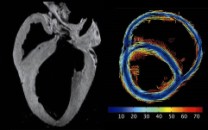
To provide detailed images of the inside of the body, including tissue that cannot be seen on a conventional x-ray, to help in the diagnosis of a variety of medical conditions.
In cancer diagnosis, MRI can be used to assess the size and extent of the tumour.
The scan itself is painless as the patient does not feel the magnetic field and there are no moving parts around the patient. However, some individuals may experience possible feelings of claustrophobia in the machine or be sensitive to the sounds produced by the magnets during the scan, which can cause mild discomfort. Wearing earplugs may help to block the noise.
MRI is considered safe for most people as it does not use radiation. However, patients with certain medical devices or conditions may not be eligible for an MRI as MRI uses a strong magnetic field – the presence of metal objects in the body can be a safety hazard or distort the MRI images.