Heart Information

Aortic Dissection

2026/06/16
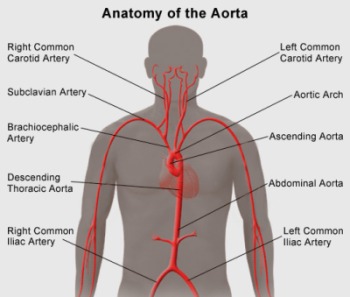
What is an Aorta?

The aorta is the largest artery in the body that channels oxygen-rich blood from the heart to the organs and tissues. It is also the largest blood vessel connecting the heart to the rest of the human body. 

Anatomy of the Aorta


What is Aortic Dissection?

Aortic Dissection is a serious medical condition in which there is a tear in the inner layer of the aorta – often occurring due to damage to the inner lining of the aorta – leading to massive and rapid blood loss if the tear completely cuts through (dissects) the aorta. Therefore, an Aortic Dissection is considered a life-threatening medical emergency.

The exact cause of an Aortic Dissection is not known but some of its risk factors are:

  • Ageing
  • Buildup of fatty deposits, cholesterol, and other substances in the walls of arteries, leading to the formation of plaques (also known as Atherosclerosis)
  • Blunt trauma in the chest area
  • High blood pressure
What are the symptoms?

The symptoms of Aortic Dissection can vary but often include:

  • Sudden and severe chest or upper back pain, often described as a tearing or ripping sensation, that spreads to the neck or down the back
  • Sudden severe stomach pain
  • Loss of consciousness
  • Shortness of breath
  • Leg pain
  • Weak pulse in one arm or thigh as compared to the other
  • Difficulty walking
  • Symptoms similar to those of a stroke, including sudden vision problems, difficulty speaking, and weakness or loss of movement (paralysis) on one side of your body

How is it diagnosed?

Diagnosing Aortic Dissection typically involves a combination of medical history evaluations, physical examinations, and various diagnostic tests, such as:

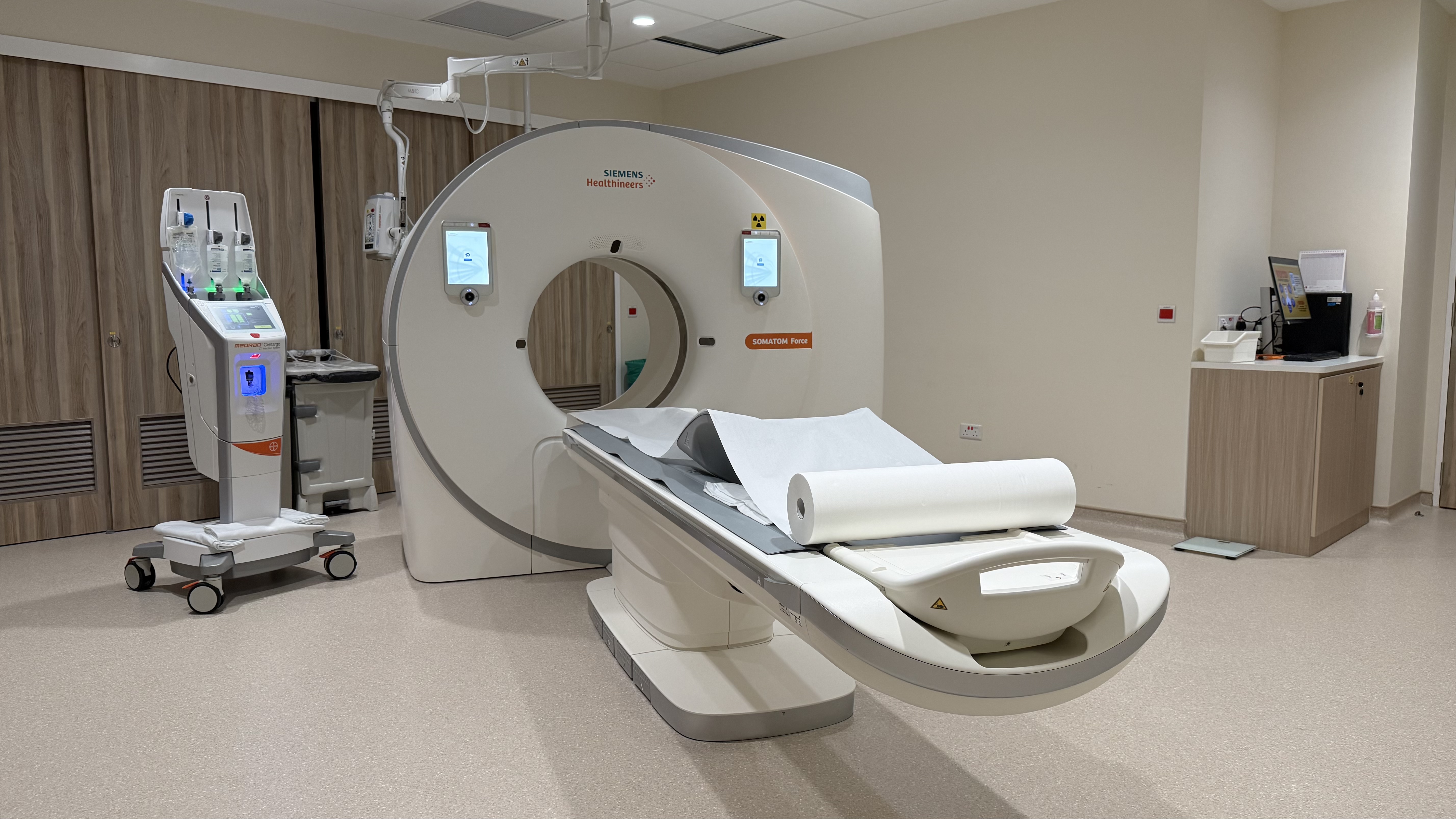
1. CT (Computed Tomography) Scan

What is it?
A CT scan first uses X-rays to produce detailed images of the body and after which, a computer is used to create cross-sectional images (known as slices) of the bones, tissues, and blood vessels. Images from a CT scan can show more details than that of a regular X-ray.

Why is it done?
CT scans provide more detailed images of the aorta, allowing healthcare providers to assess the tear’s size and location more accurately.

Does it hurt? 
The test itself is painless, but some people may be sensitive to the contrast dye used in selected CT scans, which can cause mild discomfort.

Potential risks/complications?
The risks can include allergic reactions to the contrast dye and exposure to ionizing radiation. However, the benefits usually outweigh the risks in most cases.

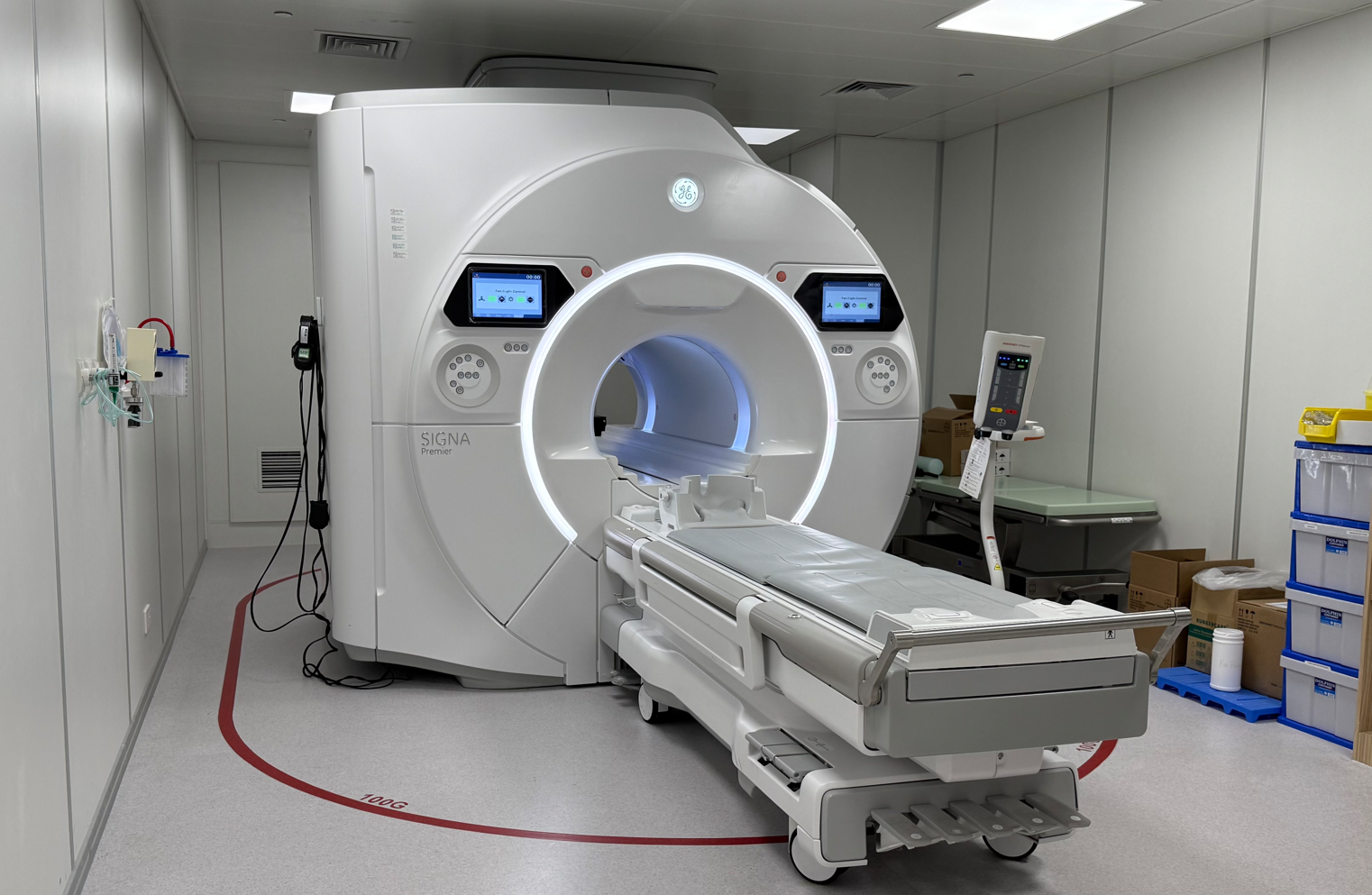
2. MRI (Magnetic Resonance Imaging)

What is it?
MRI is a non-invasive diagnostic approach that uses a magnetic field and computer-generated radio waves to create detailed images of organs, bones, and soft tissues in the body.

Why is it done?
To provide detailed images of the inside of the body, including tissue that cannot be seen on a conventional x-ray, to help in the diagnosis of a variety of medical conditions. 

Does it hurt?
The scan itself is painless as the patient does not feel the magnetic field and there are no moving parts around the patient. However, some individuals may experience possible feelings of claustrophobia in the machine or be sensitive to the sounds produced by the magnets during the scan, which can cause mild discomfort. Wearing earplugs may help to block the noise. 

Potential risks & complications?
MRI is considered safe for most people as it does not use radiation. However, patients with certain medical devices or conditions may not be eligible for an MRI as MRI uses a strong magnetic field – the presence of metal objects in the body can be a safety hazard or distort the MRI images.

What are the treatments?

1. Surgery (Open Repair)

What is it?
Open repair for Aortic Dissection involves a surgical procedure where the chest is opened to access the aorta. The damaged section of the aorta is either repaired or replaced with a synthetic graft.

What to expect?
Patients can expect a period of hospital stay, typically ranging from a week to several weeks, depending on recovery. The surgery is performed under general anesthesia, and patients may experience pain and discomfort post-surgery, which will be managed with medications.

What to prepare?
Preparation includes pre-operative assessments, such as imaging tests and blood work. Patients should discuss medications with their doctor, as some may need to be adjusted or stopped before surgery. It iss also important to arrange for post-operative care and support at home.

Success rates:
The success rates for open repair of Aortic Dissection are generally high, with many studies reporting survival rates of over 80% in the immediate post-operative period. Long-term outcomes depend on various factors, including the patient's overall health and the extent of the dissection.

2. Endovascular Stent Graft Repair (Endovascular Repair)

What is it?
Endovascular Stent Graft Repair (Endovascular Repair) for Aortic Dissection is a minimally invasive surgical procedure used to treat aortic dissection, a serious condition where the inner layer of the aorta tears, leading to separation of the layers of the aorta. This procedure involves placing a stent graft inside the aorta to reinforce the vessel wall and restore normal blood flow.

What to expect?
Patients can expect to undergo the procedure under general anesthesia. The surgeon will make small incisions, usually in the groin, to access the blood vessels. A catheter is then guided to the site of the dissection, and the stent graft is deployed. The procedure typically lasts a few hours, and patients may stay in the hospital for a few days for monitoring. Endovascular Stent Graft Repair typically has a shorter hospital stay and quicker recovery as compared to open surgery.

What to prepare?
Before the procedure, patients should discuss their medical history with their healthcare provider, including any medications they are taking. They may need to stop certain medications, such as blood thinners, prior to the surgery. It’s also advisable to arrange for someone to drive them home after discharge.

Success rates:
The success rates for endovascular stent graft repair are generally high, with many studies reporting success rates of over 90%. However, individual outcomes can vary based on the patient's overall health and the complexity of the dissection.

Potential risks and complications:
As with any surgical procedure, there are risks involved. Potential complications include bleeding, infection, stent migration, and the possibility of needing further surgery. Patients should discuss these risks with their healthcare provider.

What do I do post-treatment?

Home care:
After discharge, patients should follow their doctor's instructions regarding activity levels, wound care, and medications. Regular follow-up appointments are essential to monitor the stent and ensure proper healing.

When to call the doctor:
Patients should contact their doctor if they experience symptoms such as severe pain, swelling, fever, or any signs of infection at the incision site. Additionally, any sudden changes in health or new symptoms should be reported immediately.

Last updated on
Best viewed with Chrome 79.0, Edge 112.0, Firefox 61.0, Safari 11
National University Health System
  • National University Hospital
  • Ng Teng Fong General Hospital
  • Alexandra Hospital
  • Tengah General and Community Hospital
  • Jurong Community Hospital
  • National University Polyclinics
  • Jurong Medical Centre
  • National University Cancer Institute, Singapore
  • National University Heart Centre, Singapore
  • National University Centre for Oral Health, Singapore
  • NUHS Diagnostics
  • NUHS Pharmacy
  • NUHS Regional Health System Office
  • NUS Yong Loo Lin School of Medicine
  • NUS Faculty of Dentistry
  • NUS Saw Swee Hock School of Public Health
Back to Top