At The Heart Of Cardiac Surgery
Adj A/Prof Vitaly Sorokin on leading the Division of Adult Cardiac Surgery at NUHCS
PULSE Issue 47 | July 2026
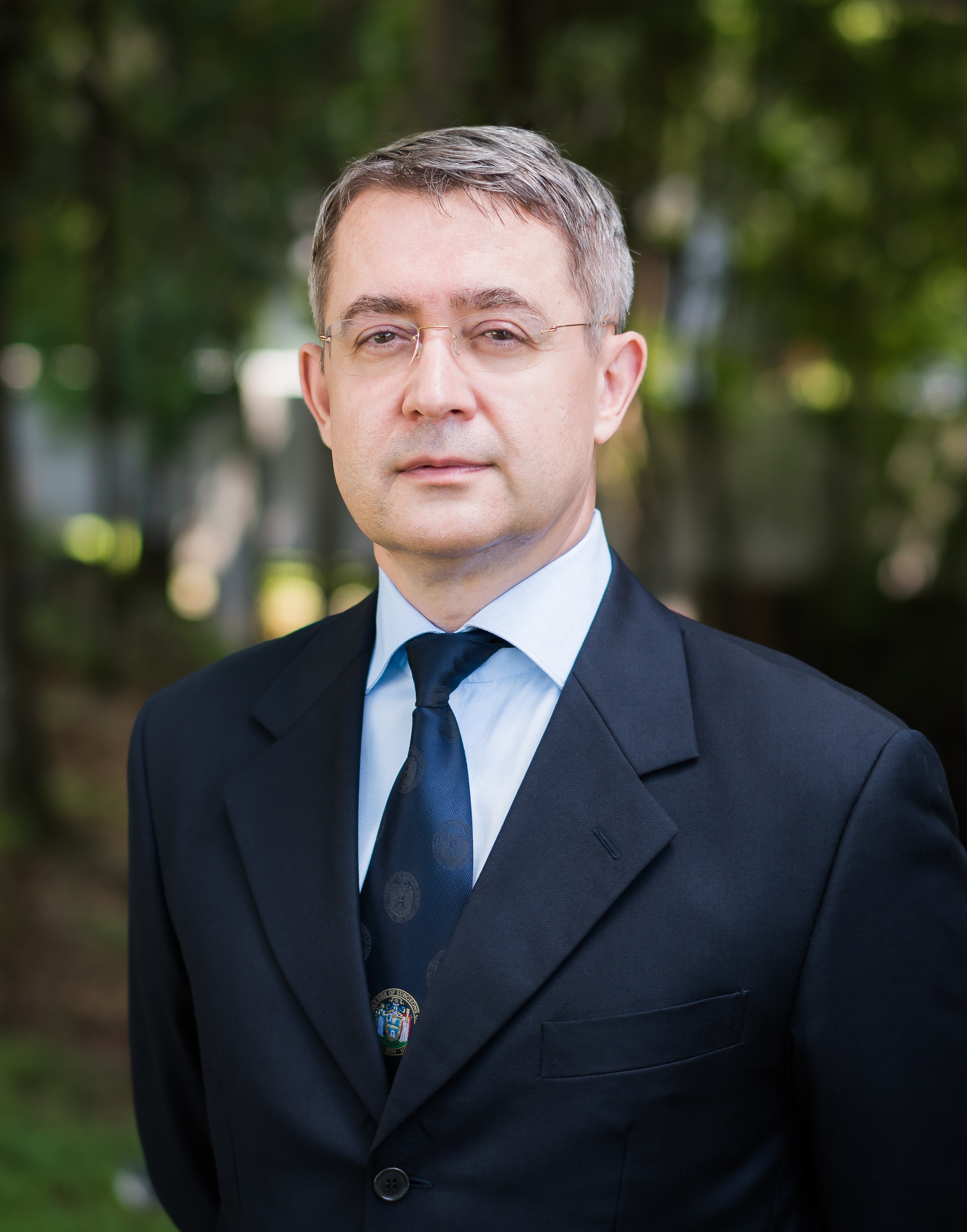
Cardiac surgery is a discipline that demands technical precision and the ability to remain calm under immense pressure. For Adj A/Prof Vitaly A. Sorokin, cardiac surgery is more than just technical expertise. It is about taking responsibility - for patients whose lives are entrusted to him, for colleagues who depend on one another in the operating theatre, and for the next generation of surgeons who will carry the specialty forward.
Having recently taken on the role of Head of Division of Adult Cardiac Surgery under the Department of Cardiac, Thoracic and Vascular Surgery (CTVS) at the National University Heart Centre, Singapore (NUHCS), he is focused on strengthening the division while building on the foundations laid by Emeritus Prof Lee Chuen Neng, Emeritus Consultant, Division of Adult Cardiac Surgery, Department of CTVS, NUHCS, and Prof Theodoros Kofidis, former Head of Department of CTVS, NUHCS.
In this issue of PULSE, he shares the values that have shaped his career, the mindset required in one of medicine’s most demanding specialties, and the vision guiding the division into the future.
PULSE: What were your first priorities when you took on this leadership role?
Adj A/Prof Vitaly: My primary goal was to bring the Division of Adult Cardiac Surgery to the next level, building on the strong foundations laid by those before us. We want to strengthen our division academically, train surgeons in contemporary surgical techniques, and continue providing world-class care for patients who need us most.
PULSE: How does leading a division differ from your previous role as a surgeon?
Adj A/Prof Vitaly: As a leader, you have to be selfless and responsible for others. It is no longer about your own results or wellbeing. It is about the team’s performance, spirit and welfare. You must put the team first and treat them like family. Leadership also means being present and available whenever your team needs support.
PULSE: What are some key strengths or signature capabilities of the Division of Adult Cardiac Surgery today?
Adj A/Prof Vitaly: To lead a surgical unit, you must first be a good surgeon. One of our key strengths is our ability to manage complex cases and navigate critical situations in the operating theatre. Another equally important quality is understanding the unique demands and pressures that surgeons face throughout their careers and supporting them at every stage. Leadership also means leading by example, whether in the operating theatre, communication, academic development, or patient care.
PULSE: What first drew you to cardiac surgery – one of the most demanding fields in medicine?
Adj A/Prof Vitaly: I think many cardiac surgeons share a similar mindset. We are drawn to challenges, and learn to act decisively, even under significant mental and physical stress. Cardiac surgery is a specialty that constantly pushes you to grow, both professionally and personally.
PULSE: Cardiac surgery requires precision, endurance, and calm under pressure – how do you prepare yourself mentally and physically for complex cases?
Adj A/Prof Vitaly: Preparation begins long before entering the operating theatre. Silence, prayer, and meditation are some of the ways I stay focused and composed. Mental preparation also means having confidence in your clinical decisions, the preparation process, and your team’s ability to perform the surgery safely. At the end of the day, you must know that you have done everything possible to give the patient the best chance of recovery.
PULSE: What is something patients might not know that happens behind the scenes in cardiac surgery?
Adj A/Prof Vitaly: Many patients may not realise that successful recovery depends on far more than the surgeon alone. Good results and successful recoveries are made possible by the collective efforts of the entire care team, from the operation theatre to the Intensive Care Unit (ICU) and general wards. Cardiac surgery is truly a team effort, and every member plays an important role in helping patients recover.
PULSE: After a long or emotionally demanding day, how do you decompress and recharge?
Adj A/Prof Vitaly: I recharge by spending time in nature. I often visit the Singapore Botanic Gardens, where I can reconnect with nature and restore my energy.
PULSE: What would surprise people about you?
Adj A/Prof Vitaly: I do not like eating carrots. With that said, carrots are good for health nonetheless. Please continue eating them if you enjoy.
PULSE: What keeps you motivated, even on the most challenging days?
Adj A/Prof Vitaly: Cardiac surgeons have the unique privilege of saving lives. Treating patients is a privilege, not only because we help individuals recover, but because we also support families, return loved ones to their children, and allow people to continue contributing to society. That responsibility is what keeps me motivated.
At the end of the day, you must know that you have done everything possible to give the patient the best chance of recovery.
Adj A/Prof Vitaly A. Sorokin, Head, Division of Adult Cardiac Surgery, Department of CTVS, NUHCS