Confronting A Growing Heart Threat
Why ischaemic heart disease and how small daily changes make a big difference
PULSE Issue 46 | January 2026
Ischaemic Heart Disease (IHD) occurs when the arteries supplying the heart become narrowed or blocked. This reduces the flow of oxygen-rich blood to the heart muscle and can lead to chest pain, heart attacks, heart failure, or sudden death. Around the world and in Singapore, IHD remains one of the leading causes of death, particularly in ageing and urban populations.
The Global Syndemic
To better understand why IHD continues to rise, A/Prof Mark Chan, Deputy Executive Director, NUHCS, and Dr Nicholas Chew, Associate Consultant, Department of Cardiology, NUHCS, co-authored a research paper on long-term trends in cardiovascular risks.
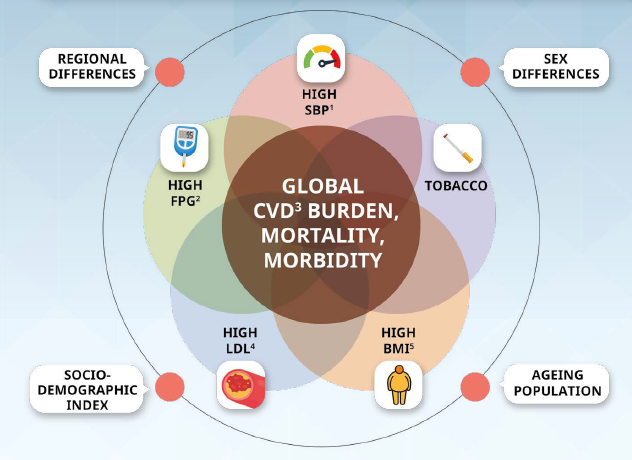
Their research describes a global “syndemic”, where conditions like hypertension, obesity, diabetes, and high cholesterol interact with social and environmental forces to increase risks across populations. Large-scale modelling shows that these metabolic factors will remain as the main drivers of IHD. At the same time, tobacco use, high salt intake, low wholegrain consumption, and air pollution adds extra strain.
The study also found differences between men and women. Men are expected to face rising exposure to smoking and hypertension, whereas women may experience faster increases in obesity and diabetes.
The good news is that measures like reducing salt, controlling tobacco use, managing blood pressure, and treating high cholesterol could prevent millions of cardiovascular problems worldwide.
Why is Singapore at Risk?
 These global trends are especially relevant in Singapore. Age is the strongest risk factor for IHD, and as Singapore’s population gets older, the risk naturally increases.
At the same time, lifestyle factors are creating additional problems. Long working hours, prolonged sitting, high stress, and lack of sleep increase the likelihood of weight gain, high blood pressure, and diabetes. Singapore’s convenience driven food culture with frequent dining out and readily available meals high in salt, saturated fat, and added sugars — accelerates the risk of obesity and IHD. Air pollution, including traffic related particles and periodic haze, adds another layer of risk, especially for those who already have existing risk factors. Without earlier detection and stronger prevention, IHD rates in Singapore are expected to continue rising.
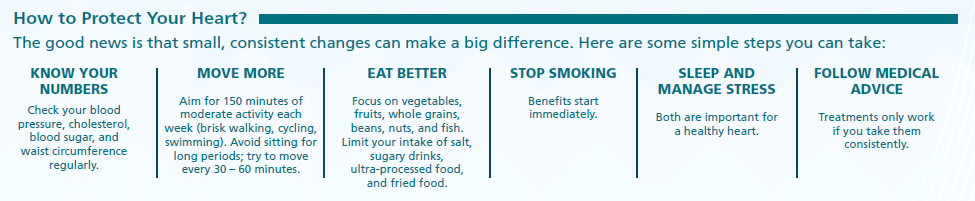
IHD in Singapore is rising because of age, lifestyle, and environmental factors, but these risks can be reduced. Early detection, healthier daily habits, and community support can help protect heart health and give future generations a better chance at a healthy life.
References:
- High Systolic Blood Pressure (SBP) means that there is increased force in the arteries when the heart beats and pumps blood out, which raises the risk for heart attack, stroke, and heart failure.
- High Fasting Plasma Glucose (FPG) means that the blood sugar is elevated after not eating, usually indicating prediabetes or diabetes.
- Cardiovascular Disease (CVD) is a group of disorders affecting the heart and blood vessels, caused by issues like narrowed arteries and high blood pressure, which can lead to serious conditions such as heart attacks and strokes.
- High Low-Density Lipoprotein (LDL) indicates an excess of “bad” cholesterol, which can adhere to arterywalls and form plaque, significantly increasing the risk of heart attacks and strokes.
- A high Body Mass Index (BMI) indicates excess body fat, which significantly increases the risk of serioushealth issues such as heart disease, type 2 diabetes, stroke, and certain cancers.