Is Heart Disease In Your Genes?
Inherited Cardiac Conditions Health Talk 2025
PULSE Issue 46 | January 2026
Heart disease does not always announce itself. For some, a serious cardiac event can strike without warning – but sometimes, the clues are hidden in our genes.
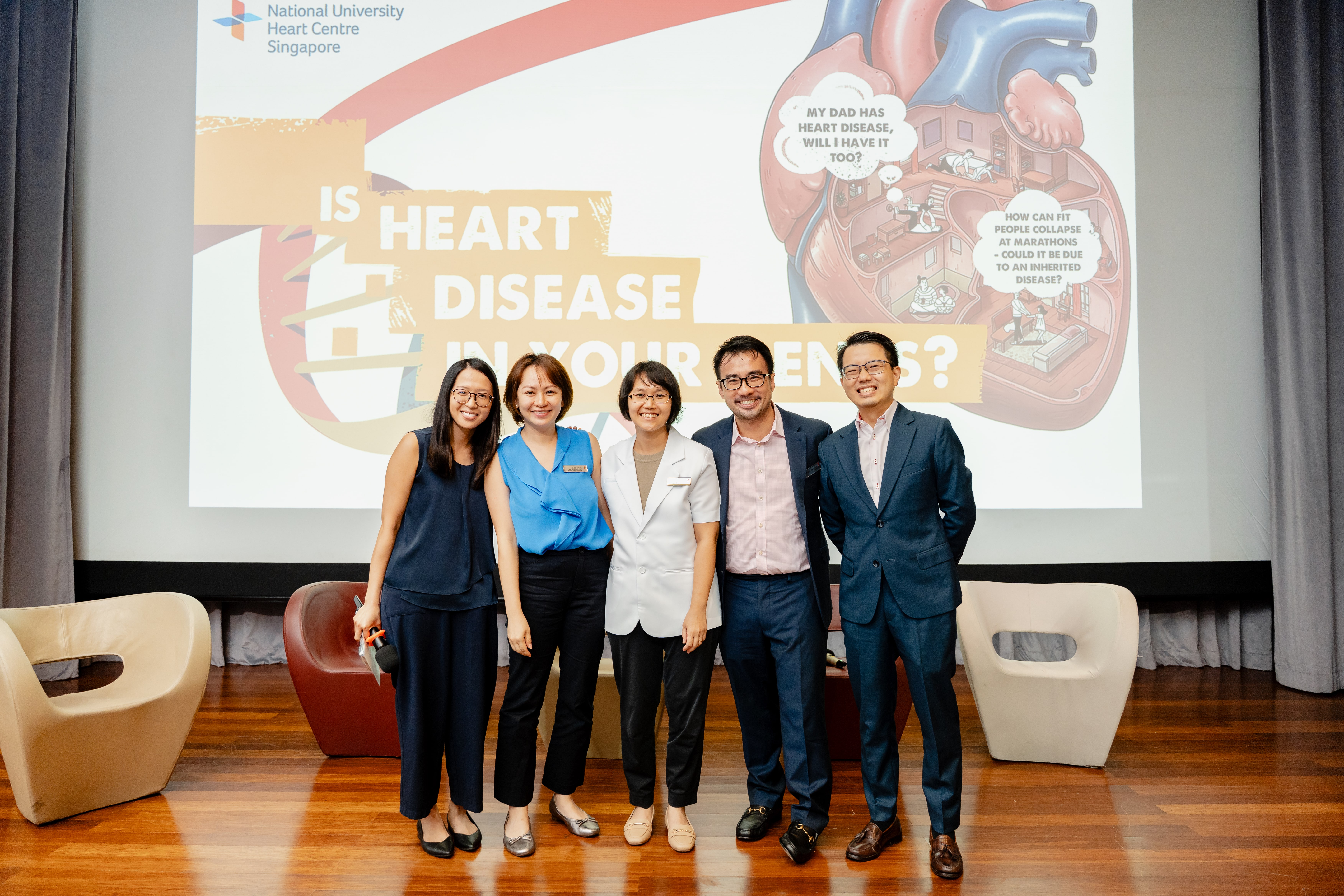
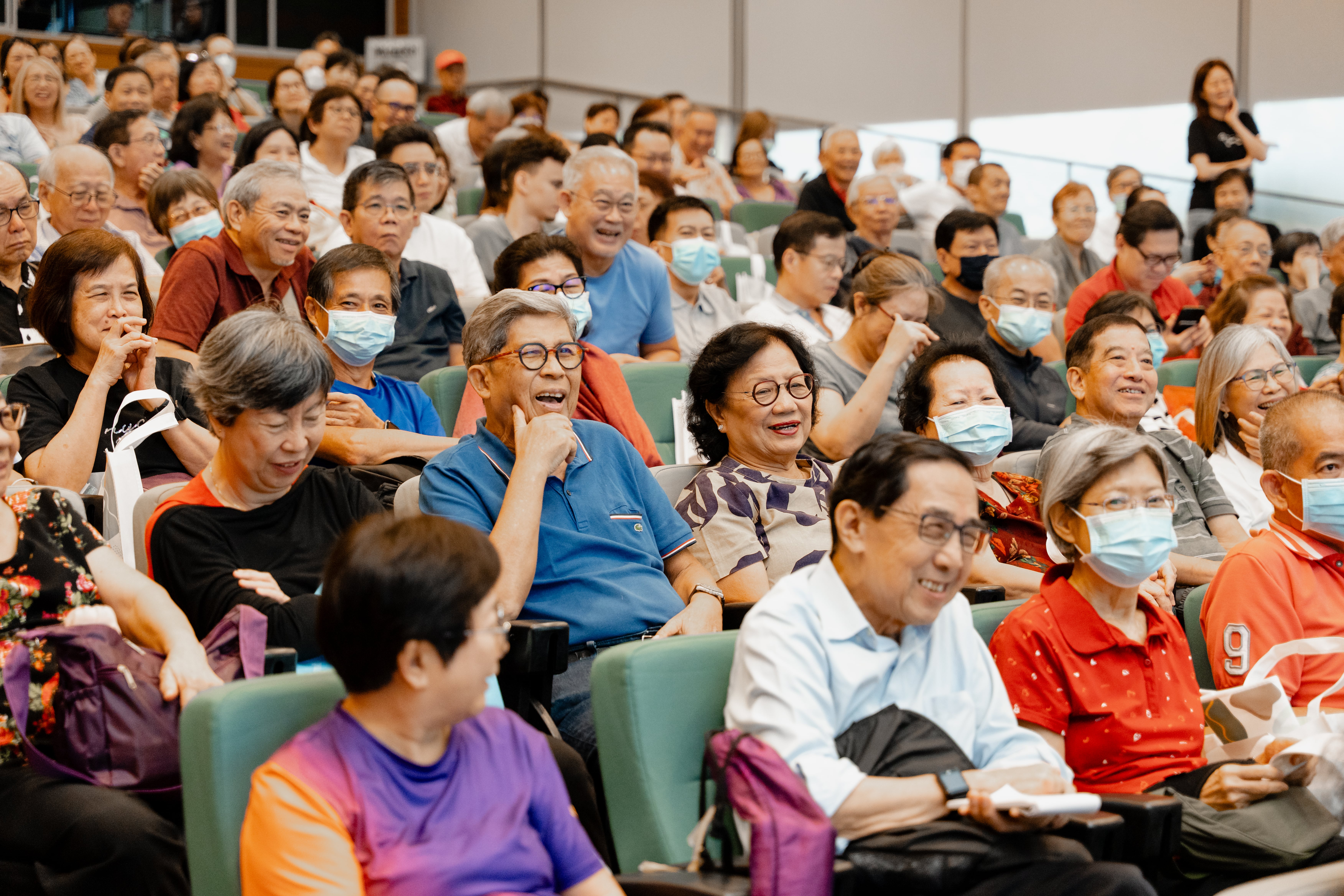
On 4 October 2025, the National University Heart Centre, Singapore (NUHCS) invited the public to uncover these hidden risks at the Inherited Cardiac Conditions (ICC) health talk, drawing a full house of participants keen to understand how family history and genetics can shape heart health. Bringing together experts in cardiovascular genetics and preventive care, the session shed light on inherited cardiac conditions that often remain silent until it is too late.
Genetics And The Heart: What Runs In The Family
“Inherited cardiac conditions can affect the heart’s structure, rhythm, or blood vessels, often long before symptoms appear,” shared Dr Tony Li, Associate Consultant, Division of Cardiology, Department of Medicine, NUHCS @ Ng Teng Fong General Hospital (NTFGH). These conditions may be passed down through generations, sometimes without obvious
warning signs.
Common examples include inherited cardiomyopathies, heart rhythm disorders, and genetic cholesterol disorders. While they differ in presentation, many share a troubling trait – the potential to cause sudden cardiac events, even in seemingly healthy individuals.
Dr Li emphasised that understanding one’s family history is often the first and most powerful step. Knowing who in the family has experienced early heart disease, fainting episodes, or sudden cardiac deaths can offer critical clues long before symptoms surface.
Hidden Risks: When A Healthy Heart Isn't What It Seems
Many inherited heart conditions can remain undetected for years. Dr Kevin Leong, Consultant, Department of Cardiology, NUHCS @ National University Hospital (NUH), highlighted that individuals may feel perfectly well until a sudden cardiac event occurs.
Early risk assessment involves looking beyond routine health checks. Family history, unexplained blackouts, palpitations, breathlessness, or fainting spells may signal the need for further evaluation.
The good news? Treatment options have advanced significantly. From medications and lifestyle adjustments to Implantable Cardioverter Defibrillators (ICDs), today’s treatments can alter the trajectory of ICCs, especially for
high-risk individuals, such as survivors of cardiac arrest. Dr Leong also shared how newer ICD technologies are
becoming safer and more tailored to individual patient needs, offering protection with improved comfort and
quality of life.
Family First: How Heart Conditions Can Travel Through Generations
Heart conditions can travel through families in different inheritance patterns, explained Ms Jessica Gan, Senior Case Management Officer, NUHCS. Some affect men and women equally, while others may be more severe in males or passed down through the maternal line.
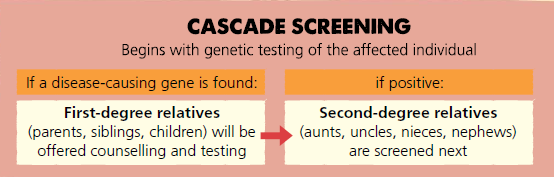
To identify family members at risk, cascade screening of family members of affected individuals plays a crucial role. Regular heart screenings such as Electrocardiograms (ECGs), echocardiograms, or cardiac Magnetic Resonance Imaging (MRI) scans can also help detect early signs of heart disease, even in those who seem healthy.
Demystifying Genetic Testing: From DNA to Diagnosis
Genetic testing helps identify the underlying causes of inherited heart disease. The testing process involves analysing DNA from a saliva sample, cheek swab or blood test. Results can guide personalised care, inform family members, and support preventive strategies.
Importantly, a positive genetic result does not mean disease is inevitable. Even within the same family, symptoms and severity can vary widely.
Ms Yanni, Senior Case Management Officer, NUH, also addressed common myths:
Myth: “Inherited heart diseases can skip generations.”
Truth: When symptoms are silent, it may seem that the disease has skipped a generation, but this is rarely the case. Anyone with a family history is recommended to be tested.
Myth: “A positive result means I’ll definitely develop a heart condition.”
Truth: Carrying a gene variant increases risk but does not guarantee disease. Even within the same family, symptoms can differ widely.
Myth: “My father tested positive for the diseasecausing gene. I look like him so my result will be positive too.”
Truth: Physical resemblance does not determine gene inheritance. Each child has a 50% chance of inheriting a variant.

The session concluded with an engaging Q&A, where participants sought clarity on genetic risks, testing, and next steps. Many left with a renewed understanding that while genetics may shape risk, awareness and early action can make a life-saving difference.
 Silent heart conditions are real, but they do not have to remain hidden. Through education, early detection, and proactive care, lives can be protected across generations. Follow NUHCS on social media for updates on future talks and initiatives promoting better cardiovascular health!