Navigating Women's Heart Health Across Generations
A letter from your heart through every stage of life
PULSE Issue 47 | July 2026
Dear You,
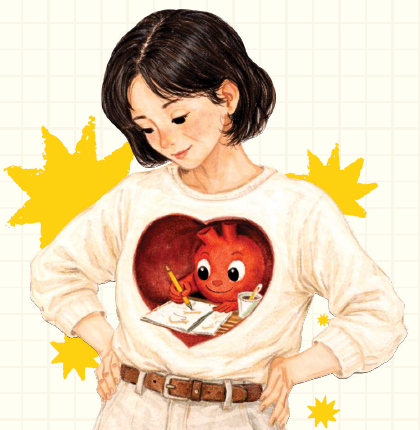
I have been with you through every late night, stressful deadline, milestone and new beginning. I worked harder during pregnancy, adapted through hormonal changes, and continued beating through every season of life – often quietly, without complaints. While you have spent much of your life caring for the people around you, I know that looking after me sometimes takes a back seat. From adolescence to pregnancy, from menopause to ageing, every stage of your life shapes how I function. Yet, Cardiovascular Disease (CVD)1 remains the leading cause of death among women worldwide, and many heart health risks often go unnoticed until much later in life.
This Women’s Heart Health Month in March, I invite you to take a closer look at how I change and respond through the different stages of your life. Understanding what affects me, and recognising when something feels different, can make all the difference in keeping me strong for years to come.
In Your 20s - 30s

These may feel like your strongest years – full of energy, independence and momentum, but they are also the years that lay the foundation for my health in the decades ahead. The choices you make today quietly shape how well I can support you later in life.
Pregnancy
Pregnancy is a time of incredible change, where your body needs to work around the clock to support a new life. As a result, I would need to step up too, pumping up to 50% more blood than usual to nourish your growing baby. Pregnancy-related conditions such as high blood pressure and gestational diabetes, may leave lasting effects on me and signal a higher risk of heart disease later in life. That is why caring for me during pregnancy matters, not only for your baby, but for your future health too.
Smoking
The moment you pick up smoking, I am one of the first to feel its effects. Smoking damages the blood vessels, raises blood pressure, and places me under constant strain — quietly increasing your risk of heart disease over time. The good news is that when you choose to stop, I begin recovering almost immediately, and the benefits continue to grow with time.
Sleep
I depend on your rest to function at my best. Yet, in the midst of busy schedules and endless responsibilities, sleep is often sacrificed and replaced with long hours and extra caffeine to keep going. When this becomes a pattern, it affects blood pressure regulation and gradually increases cardiovascular risk. Even when life gets busy, I never stop responding to the choices you make each day. The habits you build now quietly shape how I can support you in the years ahead.
In Your 40s - 50s
As you transition into perimenopause2 and menopause3 during this stage of life, visible and invisible changes begin to take place. During this stage of life, my risk factors often become more pronounced, even if you may not feel any different.
Perimenopause
Hot flashes and mood changes are commonly talked about, but many women do not realise that hormonal changes can affect me as your heart too. As estrogen levels naturally decline, “bad” (LDL) cholesterol may rise while “good” (HDL) cholesterol may fall. Blood pressure may increase, sleep may become more disrupted, and weight changes can become more common. Together, these changes place greater strain on me and increase your risk of cardiovascular disease.
This is one stage of life where I would appreciate a little more attention. Regular screenings can help keep track of blood pressure, cholesterol, and other cardiovascular risk factors, allowing changes to be detected early and managed before they become bigger problems.
In Your 60s and above
Ageing brings natural changes, but the silver years can be a meaningful time to strengthen the habits that help me stay healthy and support your quality of life.
Mindful salt consumption
As you age, your body becomes more sensitive to salt, and blood pressure can rise more easily. A balanced diet with mindful sodium intake can help keep blood pressure under control and reduce the strain on me.
Symptoms I hope you will not ignore
Sometimes, I try to tell you when something is not right. Please do not brush these signs aside as a normal part of ageing:
- Chest pain or discomfort during physical activities
- Dizziness or fainting spells
- Severe or persistent fatigue
These symptoms may signal an underlying heart condition or even a heart attack. Seeking medical attention is key. Regular screenings help detect cardiovascular risk factors early, while prompt treatment can be life-saving for long-term health.
Stay active
I was made to keep moving with you. Regular physical activity, even something as simple as brisk walking, helps me stay strong and healthy. No matter your age, it is never too late to start caring for me. Small, consistent changes can still make a meaningful difference to your health and wellbeing.
What's one question every women should ask her heart doctor at each stage of life? Watch on to find out!
For every season of your life, I have been there with you through new beginnings, career ambitions, motherhood, menopause, and the silver years. As you change, so do the challenges I face, but one thing remains constant: the importance of caring for me before problems arise. Whether through healthier habits, regular screenings or recognising early warning signs, every small act of care matters. After all, I have spent a lifetime looking after you. I hope you will do the same for me.
Because no matter your age, you deserve many more years with a stronger, healthier heart.
Yours faithfully, Your Heart
References:
1. Cardiovascular Disease (CVD) – Group of conditions that affect the heart and blood vessels, making it hard for blood to flow normally through the body, leading to conditions such as heart attacks, strokes or heart failure.
2. Perimenopause – The transition period before menopause, when hormone levels begin to change and menstrual cycles may become irregular.
3. Menopause – The stage of life marked by the permanent cessation of menstrual periods, signifying the end of a woman’s reproductive years as a result of a natural decline in estrogen and progesterone levels.