Supporting Families Through Every Heartbeat
NUHCS Congenital Heart Surgery Parent Huddle 2026
PULSE Issue 47 | July 2026
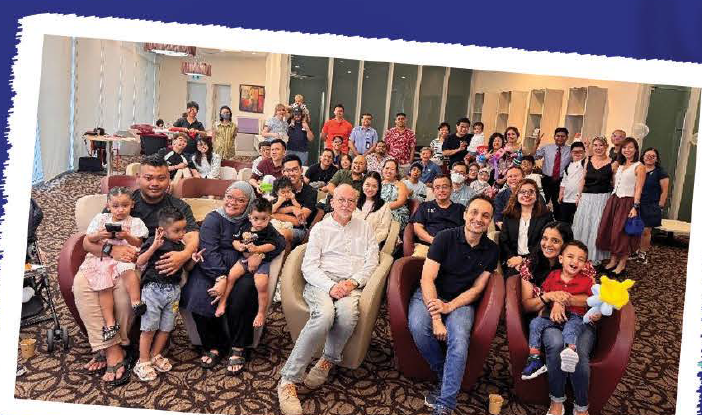
Families came together for an afternoon of shared stories, support, and hope at the National University Heart Centre, Singapore (NUHCS)’ Congenital Heart Surgery Parent Huddle on 24 January 2026. In partnership with the Congenital Heart Association Parent & Patient Support Group (CHAPPS), the event offered a safe, welcoming space for children with Congenital Heart Disease (CHD) and their families to connect, learn and share experiences.
Understanding Congenital Heart Disease (CHD)
CHD refers to structural or functional abnormalities of the heart present at birth, which may affect the flow of blood and oxygen throughout the body.
Some common conditions include:
- Septal Defect: Hole in the heart’s wall that separates the chambers, disrupting the flow of oxygen-rich blood to the body.
- Tetralogy of Fallot (TOF): Combination of four heart defects that reduces or obstructs blood fllow to the lungs and body.
- Coarctation of the Aorta (COA): The narrowing of the aorta – the main artery that carries blood from the heart to the rest of the body – that results in the body receiving less oxygen to function.
A Patient's Journey
A key highlight of the event was a heartfelt sharing that brought to life what it means to grow up with CHD, not just medically, but personally.
Sarah, a 23-year-old dentistry student born with Ebstein’s anomaly, shared on her journey living with a rare condition that affects the heart’s valves, preventing them from closing properly. This causes blood to flow backwards within the heart, making blood circulation less efficient and often leading to symptoms such as fatigue and reduced exercise tolerance as the body receives less oxygen. Having undergone catheter ablation1 and heart surgery at the age of 13, her story resonated with many in the room. More than the procedures she went through, it was how she learnt to navigate life around them that left a strong impression. She reflected on the quieter struggles of growing up with CHD, from sitting out of physical activities to living life differently from her peers, and becoming self-conscious about the scar on her chest. Over time, these experiences began to take on new meaning. What once felt like a visible marker of limitation gradually became something she accepted and carried with confidence as part of her identity. Today, Sarah is pursuing her studies while managing her condition and living an active student life.
Her story was not just about overcoming medical challenges, but also about adapting, building confidence, and redefining what it means to live well with CHD. For many families present, her journey offered something deeply reassuring, a glimpse of what is possible beyond the uncertainties of diagnosis and treatment.
My parents have never once made me feel like my heart condition would limit what I want to achieve.
- Sarah, 23 Year-old CHD warrior
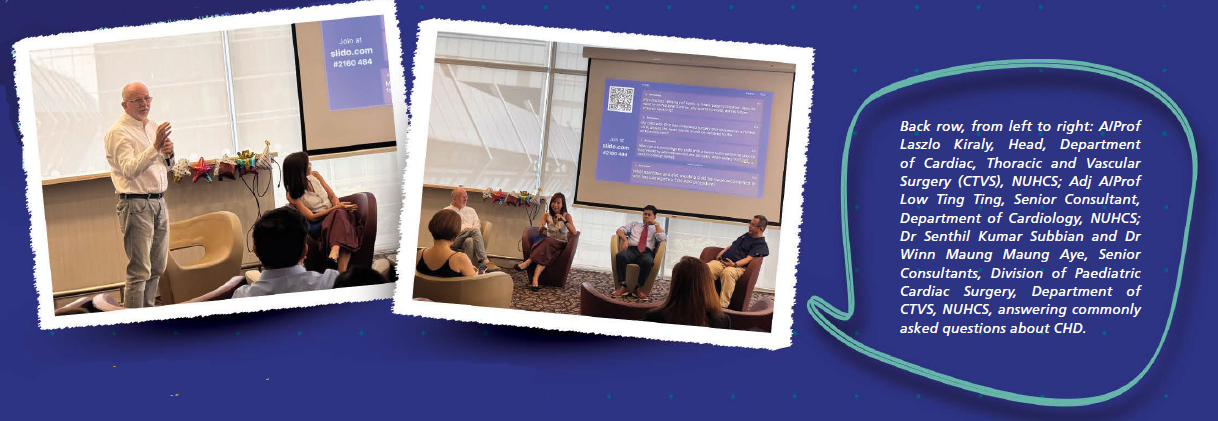
Sarah’s openness encouraged families to ask questions during an interactive Q&A with NUHCS’ team of CHD cardiologists and surgeons. Discussions included daily care tips, treatment options, and long-term considerations. Beyond medical guidance, the session allowed patients and families who have walked similar paths to connect with one another, fostering a deeper sense of understanding and community.
A Holistic Approach
For many families, the CHD journey is not one they walk alone. Over time, familiar faces become part of that journey, not just doctors and nurses, but people who have walked alongside them through different stages of life.
At NUHCS, some of the surgeons and care teams have known these children since they were babies and have seen them grow into teenagers and young adults. Watching them reach milestones, find their confidence, and live full lives carries a quiet but profound meaning. Events like the Parent Huddle are an extension of that shared journey, offering a space where families can come together, reconnect, and reflect on how far they have come.
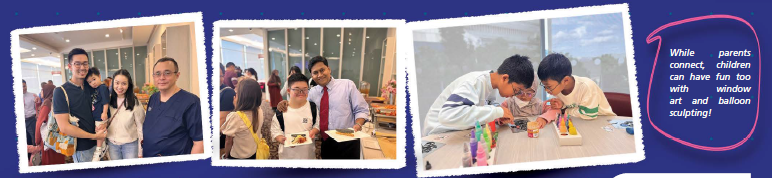
Beyond information and medical guidance, these gatherings create moments of understanding that are difficult to replicate elsewhere. Experiences are recognised without the need for explanation, and reassurance often comes from simply seeing others who have walked a similar path. In these shared moments, a sense of community grows, reminding families that there is strength not just in care, but in connection.
Reference:
1. Ablation: A medical procedure that uses heat, cold, or chemicals to destroy or remove abnormal tissue or disrupt
nerve function in a specific area of the body.