When Every Step Hurts: Understanding Peripheral Arterial Disease (PAD)
PULSE Issue 46 | January 2026
Imagine walking a short distance and feeling an aching pain in your calves that eases with rest but returns when you move again. For many, it is easy to dismiss this as part of getting older, but it could be something far more serious.
This hallmark symptom is often the first sign of Peripheral Arterial Disease (PAD), a condition that affects millions worldwide but remains underrecognised and undertreated.
What is PAD?
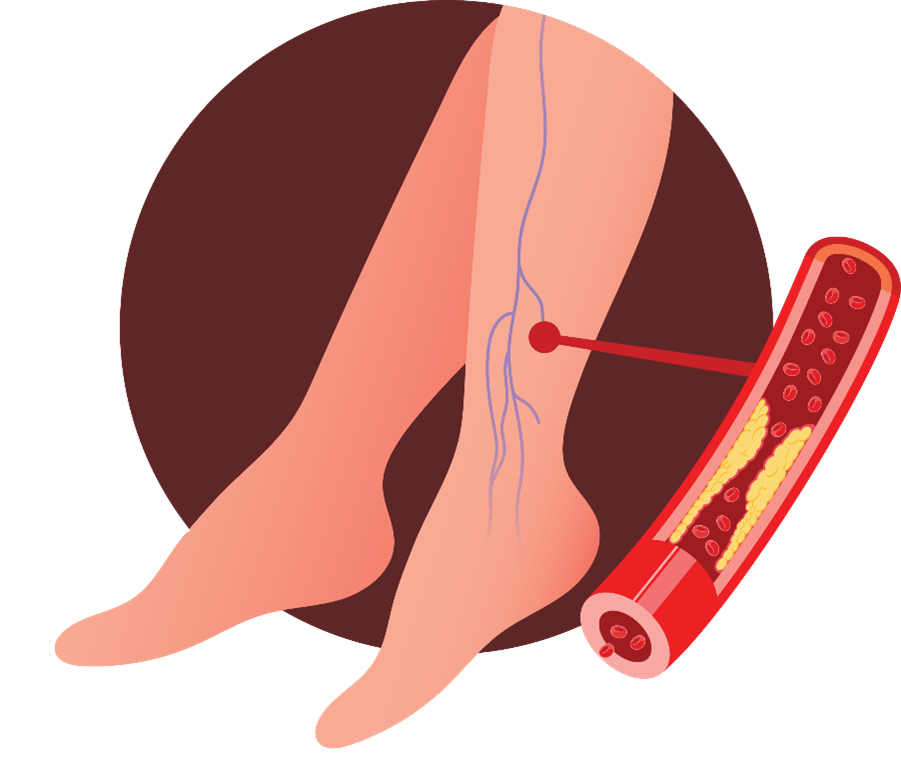 PAD occurs when the arteries supplying blood to the limbs – most commonly the legs – become narrowed or blocked by a buildup of fatty deposits along the vessel walls, known as atherosclerosis. This reduces blood flow, depriving leg muscles and tissues of oxygen, especially during physical activity.
While PAD primarily affects the legs, it is also a red flag for widespread Cardiovascular Disease (CVD). Individuals with PAD are at higher risk of heart attack, stroke, and if left untreated, can even lead to limb loss.
PAD and Diabetes: A Dangerous Duo
Diabetes significantly increases the risk of developing PAD. Over time, high blood sugar can damage blood vessels and nerves, leading to poor circulation and reduced sensation in the legs and feet.
This combination makes PAD particularly dangerous for people with diabetes:
- Diabetics may not be able to feel when they have classic leg pains, as nerve damage (neuropathy) can mask symptoms.
- Wounds and ulcers on the feet heal more slowly, raising the risk of infections.
If left unchecked, these small wounds can turn into serious complications that are difficult to heal. Hence, it is crucial to recognise the early warning signs before complications develop.
Spotting the Warning Signs
Early detection is critical, yet PAD often goes unnoticed until advanced stages. Common symptoms include:
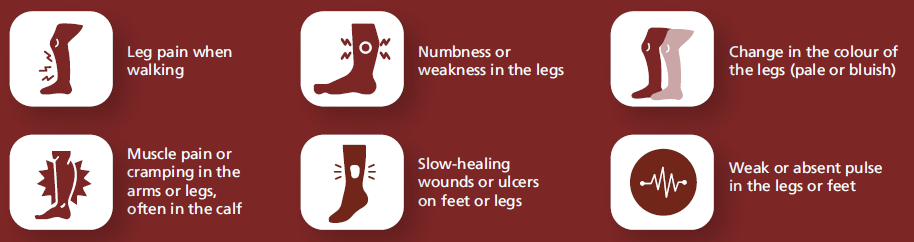
Up to half of all people with PAD may experience no symptoms, making early screening especially important for individuals aged 50 and above, or those with risk factors such as diabetes, smoking, hypertension, or high cholesterol.
Why PAD is a Serious Concern
Reduced blood flow in the legs means less oxygen reaches your tissues. Even small cuts or blisters can struggle to heal, raising the risk of infection, gangrene1 and, in severe cases, amputation.
Without proper treatment, PAD can:
- Delay wound healing
- Cause infections that are difficult to treat
Diagnosis and Treatment
Accurate diagnosis is key, and at NUHCS, patients benefit from our Intersocietal Accreditation Commission (IAC) accredited Diagnostic Vascular Laboratory, ensuring the highest standards in vascular imaging and testing. A simple, non-invasive Ankle-Brachial Index (ABI) test, which compares the blood pressure in the ankle and arm, often serves as the first step. For more detailed assessments, further imaging such as ultrasound or Computed Tomography (CT) scan, may be recommended by the vascular specialist.
Treatment focuses on improving blood flow through a combination of:
- Lifestyle changes, including quitting smoking, exercising regularly, and keeping blood sugar, cholesterol, and blood pressure under control.
- Medications that help prevent blood clots and lower harmful cholesterol.
- Procedures or surgery, if blood flow remains severely restricted.
At NUHCS, patients are cared for by a multidisciplinary team, including vascular specialists, podiatrists, wound-care nurses and physiotherapists. Together, they help patients regain mobility, heal better, and avoid limb loss.
When to seek help?
If you notice leg pain while walking or persistent non-healing wounds on your feet, do not ignore the signs. PAD can be managed, especially when detected early.
A Step Towards Healthier Feet
PAD does not have to slow you down. With early diagnosis, proper foot care and a healthier lifestyle, most people can walk comfortably and stay active for years to come.
Awareness is key: understanding your risks, taking preventive action, and seeking help early. Protecting your feet today can mean safeguarding your independence tomorrow.
Scan the QR Code to learn more about taking care of your feet!

References:
- Gangrene is the death of body tissue due to a lack of blood supply or a serious bacterial infection.